


By Ahmed Elsebaie, General Manager of the Egyptian Swiss Group for Pasta, Milling and Concentrates
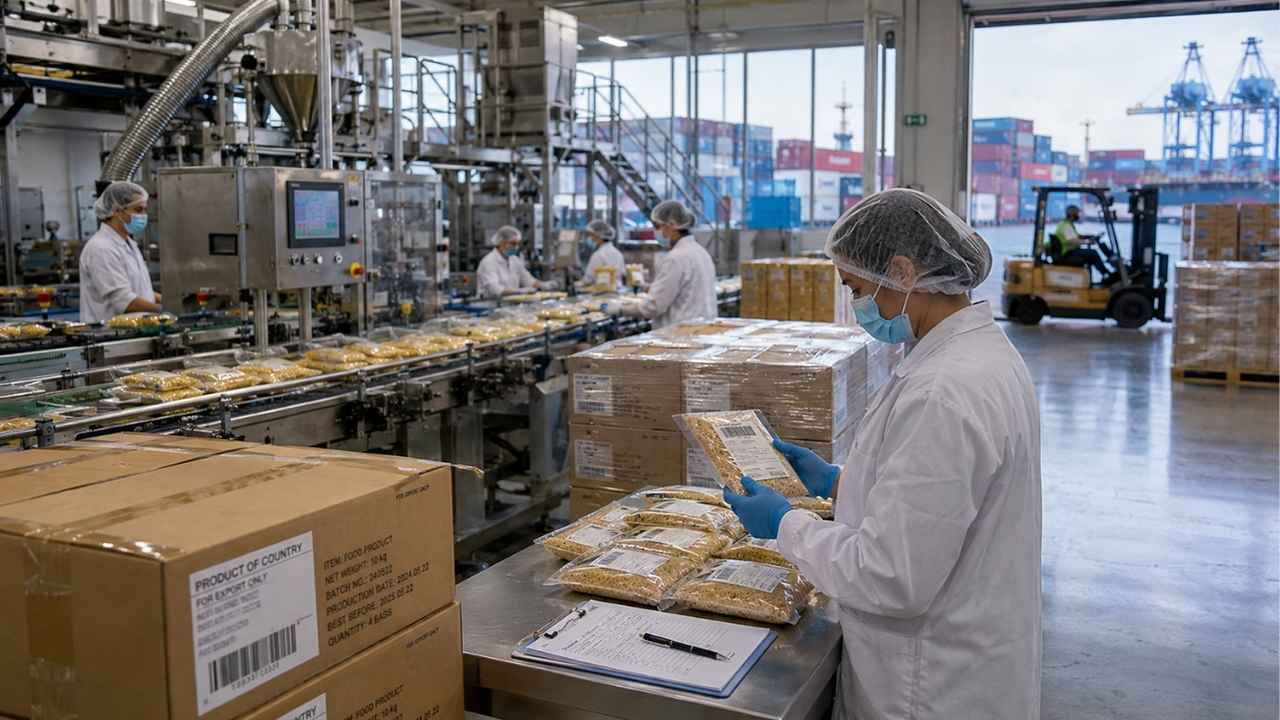
Some companies believe that the export journey begins when a container is loaded onto a vessel, but the port is not the starting point, rather it is the final stop in a long process that begins inside the factory through product design, raw-material selection, market research, production-line preparation and the development of a team capable of fulfilling the company’s commitments to its customers.
The success of industrial companies seeking to export is no longer determined solely by their ability to manufacture a good product, as it increasingly depends on building an integrated system that brings together production, trade, marketing, supply chains, logistics and after-sales service, with every party working towards the same objective of serving the customer.
This integration can be summarised through a concept I call “One Company, One Customer”, which means that every party involved in manufacturing, transporting and marketing a product must act before the customer as one unified organisation that remains responsible for the product throughout its journey from the factory to the market.
Customers purchasing the final product do not see the factory, supplier, shipping company or logistics provider as separate parties, but instead see one product that must arrive at the required quality, at the agreed time and at a competitive price.
For this reason, no company can achieve sustainable export growth through individual efforts alone, as success requires genuine integration among all participants across the value chain, and although manufacturers, suppliers, traders, shipping companies and distributors perform different functions, they must all work towards satisfying the customer and strengthening the product’s ability to compete and remain in the market.
Every Market Requires Its Own Product
A common misconception among some companies is that exporting starts when the container is loaded onto the vessel, while in reality a successful food export strategy begins much earlier inside the factory through product design, raw-material selection, market research, production development, workforce preparation and obtaining the required certificates and licences.
A company cannot manufacture one standard product and expect it to succeed in every market in exactly the same form, because international markets differ significantly in their regulatory requirements, consumer expectations and commercial structures.
A product suitable for Saudi Arabia may not necessarily meet the needs of markets in East Africa, Europe or the United States, as every market has its own requirements regarding specifications, quality, packaging, pack sizes, colours, registration procedures and certification.
Markets Must Be Understood on the Ground
Consumer preferences, purchasing behaviour and methods of using a product differ from one country to another, which means companies must study their target markets carefully by assessing demand, price levels, leading competitors, sales channels and distribution structures before making an export decision.
Companies must also understand the available shipping lines, journey times, freight and insurance costs, alternative transport routes and potential trade restrictions before determining whether a product can remain commercially competitive in the destination market.
A good product may lose its competitiveness if its final landed cost does not reflect the consumer’s purchasing power or the prevailing price levels within the target market.
Based on practical experience, companies should not rely solely on desk research, because international marketing begins on the ground and at the heart of the market that the company intends to enter.
Participating in international exhibitions and trade missions, visiting wholesale and retail outlets, and communicating directly with traders, importers and distributors are essential tools for developing a realistic understanding of demand, competition and customer expectations.
Consumers Buy with Their Eyes First
Consumers often buy with their eyes first before assessing taste, quality and whether the product meets their needs, which makes packaging a fundamental part of the purchasing decision rather than a secondary element added after production.
When consumers believe they are receiving genuine value for money, they are more likely to purchase the product again and develop trust in the brand, which means packaging, colours and product presentation must receive the same level of attention as the quality of the food itself.
Companies are also advised to begin exporting gradually by sending samples to potential customers, followed by a limited trial shipment, before moving to regular commercial volumes and making major investments in the destination market.
Monitoring feedback from importers and consumers during these early stages gives manufacturers an opportunity to improve the product, adjust the packaging, determine the appropriate price and address any weaknesses before committing to larger shipments.
From an importer’s perspective, supplier selection should not be based on price alone, but should also consider the supplier’s ability to maintain consistent quality, understand market requirements, meet delivery schedules and respond quickly to feedback or commercial challenges.
A supplier capable of managing these elements professionally does not remain merely a seller of goods, but becomes a trusted partner who can support the importer’s growth and long-term position in the market.
Every Employee Has a Role in Exporting
The workforce is no less important than the product or the machinery, because people are responsible for turning strategies into measurable results and ensuring that every stage of the export process is completed according to the company’s commitments.
No food export strategy can succeed without employees who feel valued and who demonstrate a willingness to learn, cooperate, take responsibility and understand the importance of their individual roles within the wider organisation.
Skills can be developed through continuous training, but lasting success also requires commitment, professional conduct and the ability to work as part of one coordinated team.
Behind every decision involving quality, production, packaging, marketing, procurement or shipping stands an employee who must understand how their work affects the final product and the company’s relationship with its international customer.
Empowering Young Professionals Supports Export Sustainability
Empowering young professionals and giving them opportunities to participate, learn and contribute to decision-making helps create a new generation of leaders capable of sustaining business growth and responding to changes in international markets.
A company that invests in its employees is not only building a team for the present, but is also strengthening the long-term sustainability of its operations and its ability to expand in the future.
Supply-Chain Efficiency Builds Competitiveness
Supply-chain efficiency is a decisive factor in international competitiveness, as a company must know when to purchase raw materials, which markets to source them from, and how to transport, store and use them efficiently while reducing unnecessary handling and maintaining appropriate inventory levels.
Companies must also select the most suitable port, shipping line and transport route, because every unnecessary cost removed from the supply chain gives the product a greater opportunity to compete in international markets.
Cost optimisation does not mean compromising on quality or searching only for the cheapest option, but instead requires reviewing every stage from raw-material sourcing to production, packaging, transport, shipping and distribution in order to eliminate waste and deliver the best possible value.
One Market Cannot Deliver Sustainable Export Growth
Market diversification remains one of the most important foundations of export sustainability, because dependence on a single destination increases risk and leaves the company more exposed to sudden economic, regulatory or commercial changes.
Operating across several markets gives companies greater resilience in the face of disruptions, supports production continuity and generates foreign-currency revenues that can finance raw materials, machinery and future expansion.
Every Export Expansion Strengthens Confidence in Egyptian Industry
The human element remains at the heart of every successful export operation, as behind each shipment entering a new market stands a team of workers, engineers, marketers, quality specialists, procurement professionals and logistics managers.
Every new market does not simply represent additional sales, but also creates employment opportunities, expands professional experience and strengthens confidence in Egyptian industry and its ability to compete internationally.
I believe Egyptian products have significant opportunities in global markets, provided that companies prepare properly, understand consumers, maintain consistent quality, build strong teams and achieve genuine integration among production, marketing and supply-chain functions.
No market is too distant for a company that studies its steps carefully, continues to learn, respects its employees and customers, and understands that successful exporting begins inside the factory long before the container reaches the port.